
Hasina Aini: 12 Years of Service as a Midwife
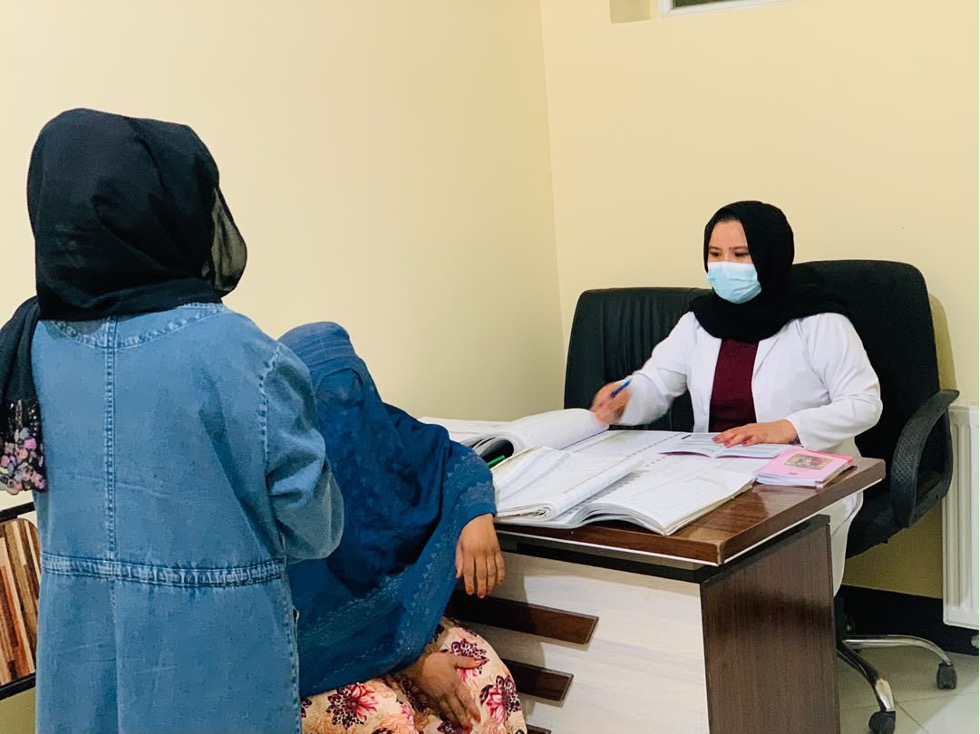
Meet Hasina Aini
Name: Hasina Aini
Age: 38 years
Position: Midwife
Health Facility: Dehdadi District Hospital
Location: Dehdadi District, Balkh Province, Afghanistan
Professional Experience: 12 years
Interview Date: November 7, 2026
Her Journey into Healthcare
Hasina Aini, 38, has served as a midwife at Dehdadi District Hospital in Balkh Province for 12 years. Encouraged by her family, she became the first person in her family to enter the healthcare profession.
Over the years, her passion for midwifery has grown stronger. For Hasina, the greatest reward is providing care to patients and seeing them leave the hospital healthy and satisfied. Their happiness and appreciation continue to motivate her to serve her community with dedication.
Challenges as a Female Health Worker
Throughout her 12 years of service, Hasina has faced several challenges while providing essential healthcare to women and newborns in Balkh Province.
One of the main challenges is the restrictions affecting female healthcare workers, including mobility limitations and requirements related to wearing the hijab and having a mahram (male guardian or accompanying relative). During medical emergencies, these requirements can sometimes delay the immediate response to patients.
Hasina also describes the difficulties of heavy workloads, long working hours, and limited resources. Sometimes, after completing an exhausting night shift, she must continue working the following day.
Despite these challenges, she remains dedicated to her profession and continues providing essential healthcare services to women and families in her community.
A Challenging Experience and a Lesson
One of the most memorable experiences in Hasina’s career involved a mother who became pregnant after waiting eight years to have a child.
During a planned caesarean section, the mother developed neurogenic shock following spinal anaesthesia and required immediate resuscitation. After the mother was resuscitated, the caesarean section was performed.
The newborn had an Apgar score of 6/10 and required resuscitation. Hasina participated in the emergency response. When bag-and-mask ventilation did not produce the expected response, she continued resuscitation using mouth-to-mouth breathing, as described in her interview.
This difficult experience made Hasina recognize the importance of further specialized training in neonatal resuscitation. She decided to strengthen her knowledge and skills to be better prepared for similar emergencies in the future.
For Hasina, this experience became an important lesson about continuous professional development and the responsibility healthcare workers carry when caring for mothers and newborns.
What Helps Her Continue
Despite the challenges she faces, Hasina remains committed to her work as a midwife at Dehdadi District Hospital.
Her professional knowledge, skills, and experience give her confidence in providing healthcare services to mothers and newborns.
For Hasina, seeing patients recover and leave the hospital healthy and satisfied is one of the greatest rewards of her profession. Their happiness and appreciation encourage her to continue her work with dedication.
She also receives valuable encouragement from her family and the local community. Their support strengthens her motivation and helps her continue serving women and families who depend on essential healthcare services.
Her Concern About the Future of Women's Healthcare
Hasina believes that female healthcare workers play an essential role in providing healthcare services to women, particularly in communities where women prefer or need to receive care from female health professionals.
She is deeply concerned about the decreasing number of female healthcare workers and the restrictions affecting women’s and girls’ access to education in Afghanistan.
According to Hasina, if these challenges continue, future generations may face a serious shortage of qualified female healthcare professionals. This could make it increasingly difficult for women to access essential maternal and reproductive healthcare services.
Her concerns highlight the importance of supporting female healthcare workers and protecting opportunities for women to pursue medical education and careers in healthcare.
Her Message
“We provide services to women by women, and this is very important in our communities. I am worried that if the current situation regarding women’s education continues, the next generation of female health workers will decline, and women may no longer have access to healthcare provided by other women.”
— Hasina Aini, Midwife, Dehdadi District Hospital
Conclusion
Hasina Aini’s 12 years of service as a midwife at Dehdadi District Hospital reflect her dedication to improving maternal and newborn healthcare in Balkh Province.
Despite demanding working conditions, limited resources, and challenges affecting female healthcare workers, she continues to serve her community with commitment and compassion.
Her story highlights the important contribution of experienced female health professionals and the need for continued training, professional support, and opportunities for women to pursue careers in healthcare.
Through her experience and determination, Hasina reminds us that supporting female healthcare workers is essential to ensuring that women and newborns have access to quality healthcare services.